NPK Fertilizer Explained: A Simple Guide for Farmers in Cambodia
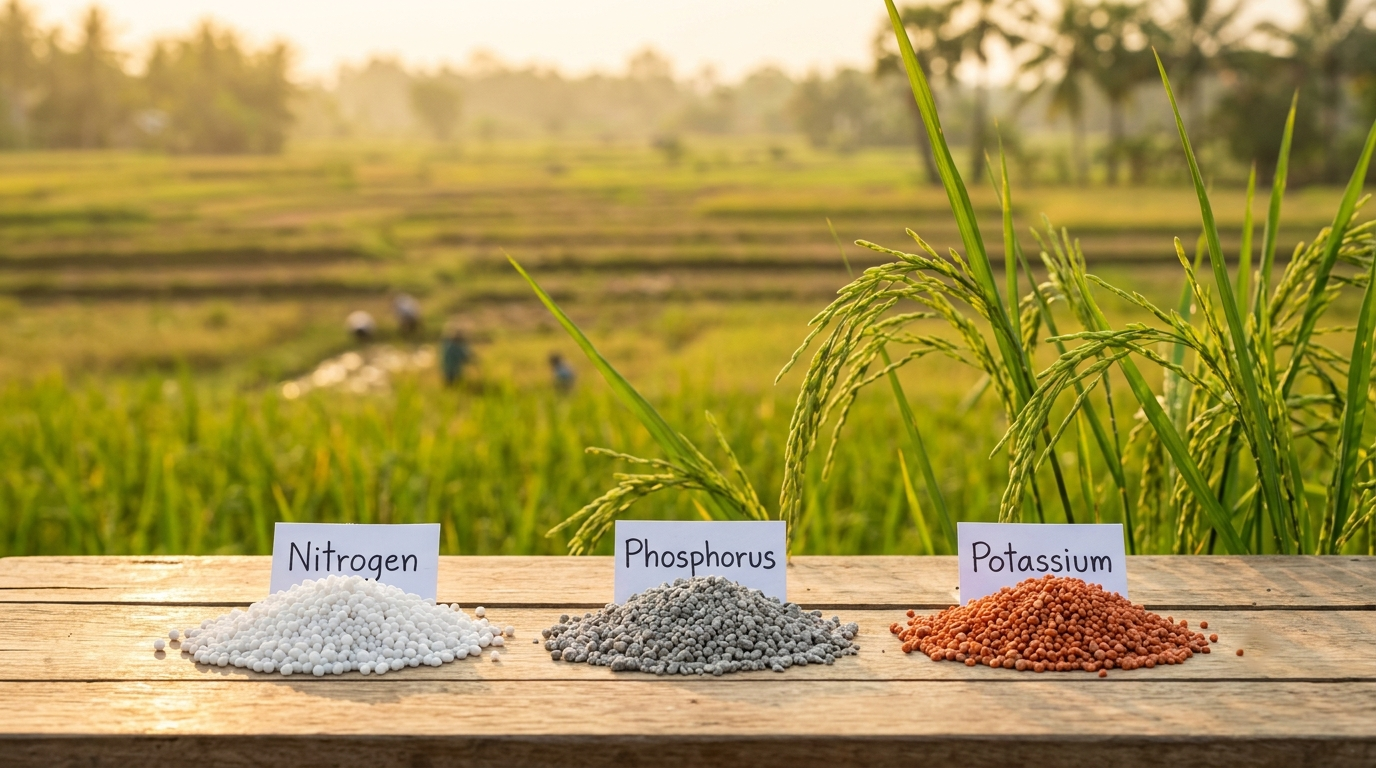
Healthy crops need the right nutrients at the right time. NPK fertilizer provides three essential plant nutrients: nitrogen (N), phosphorus (P), and potassium (K).
Understanding NPK fertilizer helps farmers make better decisions about crop nutrition, plant growth, flowering, and fruit development. SKK Agriculture provides BIO-NPK fertilizer solutions for Cambodian farmers, with different formulations designed for different agricultural needs.
What Is NPK Fertilizer?
NPK fertilizer is a fertilizer that supplies three major plant nutrients:
- N — Nitrogen: Supports leaf development and vegetative growth.
- P — Phosphorus: Supports energy transfer, root development, and reproductive growth.
- K — Potassium: Supports water regulation, enzyme activity, and overall plant function.
Plants need all three nutrients, but the required amounts depend on the crop, soil conditions, and growth stage.
What Do the Numbers on NPK Fertilizer Mean?
The numbers on an NPK fertilizer label indicate the guaranteed nutrient percentages, conventionally expressed as nitrogen (N), phosphate equivalent (P₂O₅), and potash equivalent (K₂O).
For example, NPK 15-15-15 generally indicates 15% nitrogen, 15% phosphate equivalent, and 15% potash equivalent by weight.
Different NPK ratios provide different nutrient balances. Farmers should check the product label to understand the formulation and follow the manufacturer’s application instructions.
What Does Each NPK Nutrient Do?
1. Nitrogen (N): Supports Leaf and Stem Growth
Nitrogen is important for chlorophyll formation and plant growth. A suitable nitrogen supply supports healthy leaves and stems.
Too little nitrogen may cause poor growth, while excessive nitrogen can encourage overly vegetative growth and may affect flowering or fruit production. The right amount depends on the crop and its needs.
2. Phosphorus (P): Supports Roots and Reproductive Development
Phosphorus plays an important role in energy transfer and plant development. Adequate phosphorus is essential for root establishment and reproductive processes, including flowering.
However, applying extra phosphorus does not automatically produce more flowers. Farmers should consider soil nutrient levels and crop requirements before selecting a high-phosphorus fertilizer.
3. Potassium (K): Supports Overall Plant Function
Potassium helps regulate water movement within plants and supports enzyme activity, nutrient transport, and other physiological processes.
Adequate potassium contributes to healthy crop development and can be important for fruit quality and stress tolerance. The appropriate amount depends on the crop and soil conditions.
Which NPK Fertilizer Should Farmers Choose?
There is no single NPK ratio that is best for every crop or growth stage. Farmers should consider their crop, soil condition, nutrient requirements, and the fertilizer label.
SKK Agriculture organizes its BIO-NPK products into categories with different formulations and stated application focuses:
- High N: Products presented for root development.
- High P: Products presented as flower liquid fertilizers.
- High K: Products presented for vegetative growth.
- High PK: Products presented for fruit development.
These are SKK Agriculture’s product-category descriptions, not universal rules for every crop. The best fertilizer choice depends on actual crop requirements and soil conditions.
Explore the SKK Agriculture BIO-NPK product range to compare available formulations.
NPK Fertilizer for Cambodian Farmers
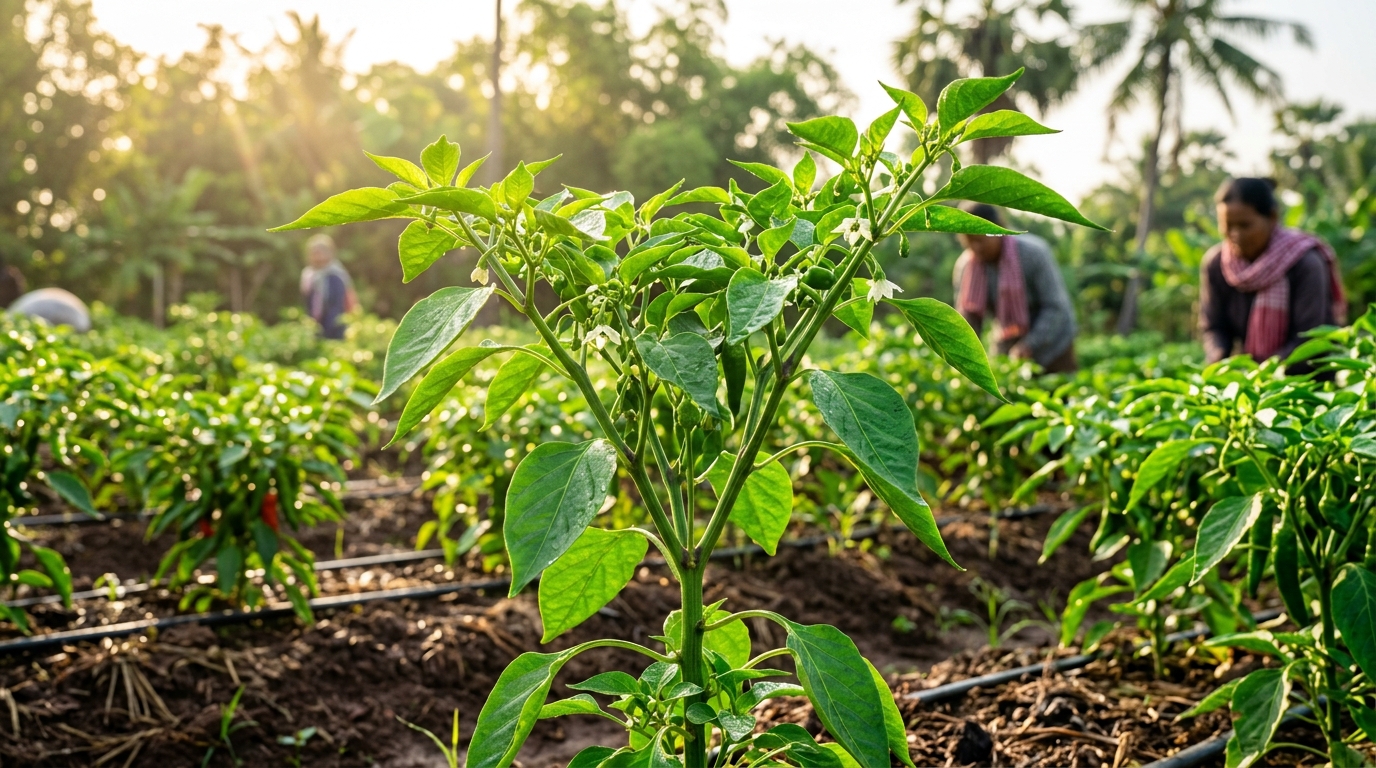
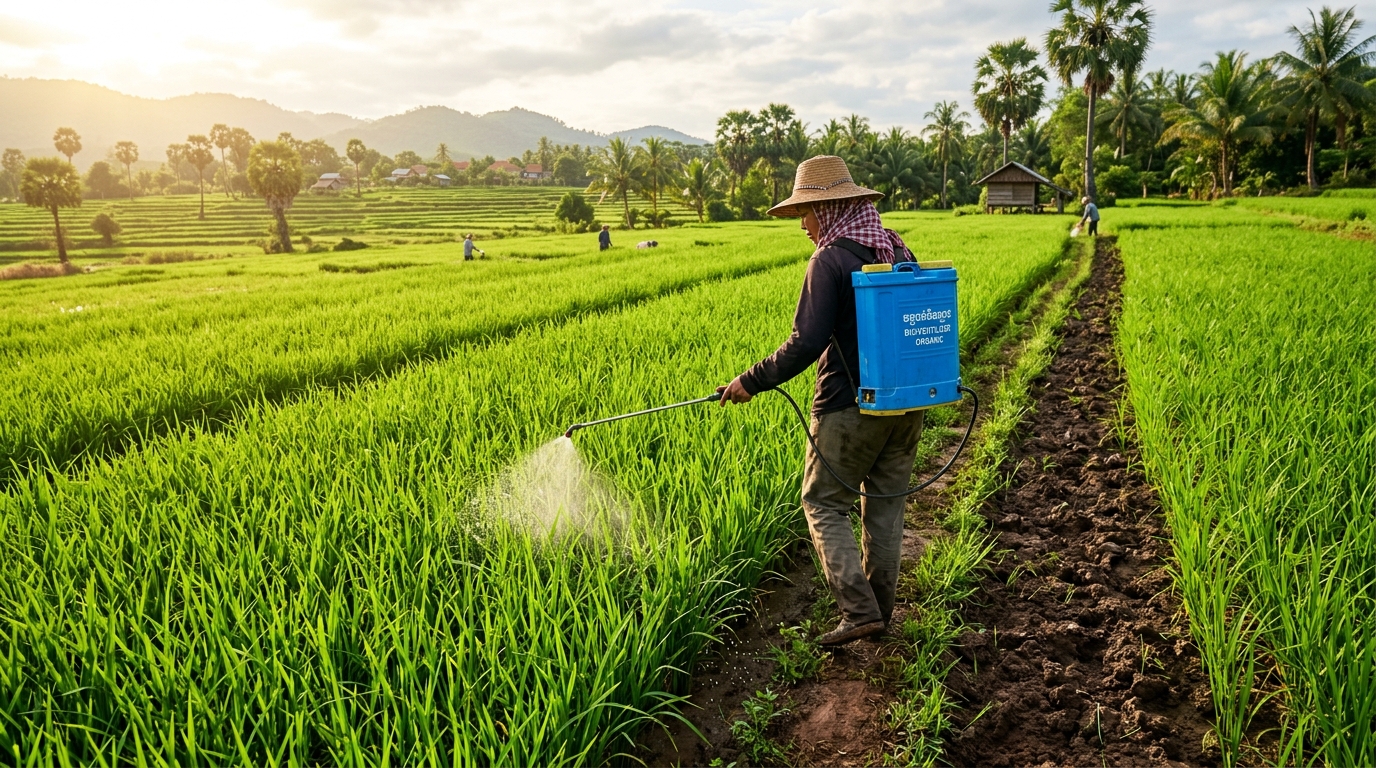
Cambodian farmers grow rice, corn, vegetables, and many types of fruit trees. Each crop has different nutrient requirements, and those needs can change throughout the growing season.
Before choosing an NPK fertilizer, farmers should:
- Identify the crop and its current growth stage.
- Assess soil conditions and test soil where possible.
- Select a formulation that matches the crop’s nutrient requirements.
- Follow recommended application rates, timing, and manufacturer guidelines.
Conclusion
Choosing the right NPK balance is essential for maximizing crop yield and maintaining soil health across Cambodian farms. Explore the complete SKK Agriculture BIO-NPK Product Range or contact our agronomy team for personalized crop nutrition recommendations.